





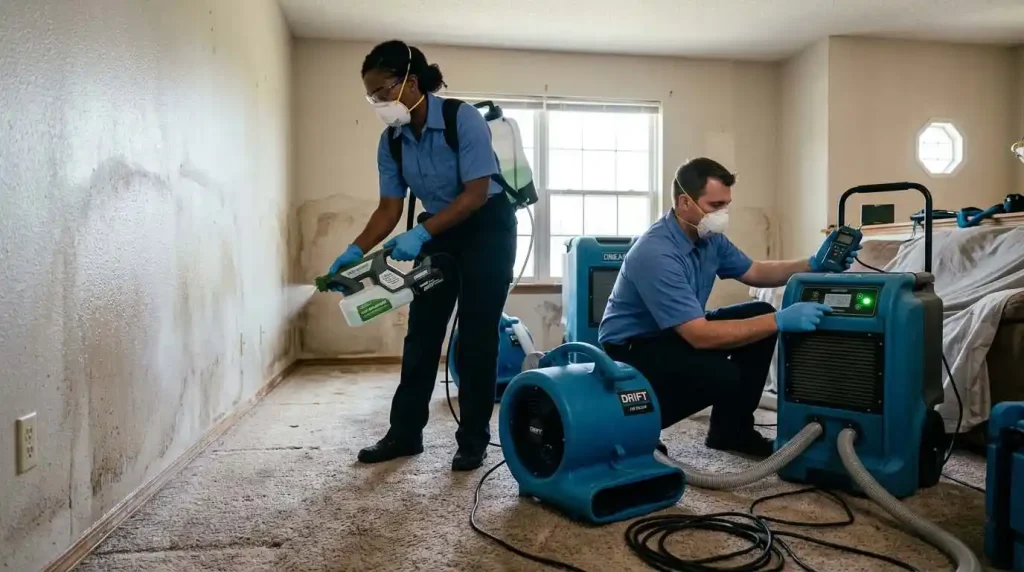
Water damage can strike without warning burst pipes, appliance failures, roof leaks, sewer backups, or severe storms can quickly turn a safe and comfortable property into a hazardous environment. While the immediate focus is often on removing standing water and drying out the structure, one critical step is frequently underestimated: professional sanitization. Proper sanitization after water damage is not just about cleanliness, it’s about protecting health, preserving property, and preventing long-term structural and environmental issues.
For homeowners and businesses alike, understanding the importance of professional sanitization can make the difference between a full recovery and recurring problems.
Water Damage Is More Than Just Water
Not all water damage is the same. Industry professionals categorize water damage into three types:
- Category 1 – Clean Water: From broken supply lines or rainwater.
- Category 2 – Gray Water: Contains contaminants from appliances like washing machines or dishwashers.
- Category 3 – Black Water: Highly contaminated water from sewage backups, flooding, or storm surges.
Even clean water can quickly degrade into contaminated water if not addressed promptly. Within 24–48 hours, bacteria and microbial growth can begin spreading rapidly. Without professional sanitization, hidden contamination can remain embedded in porous materials such as drywall, insulation, carpets, and wood.
Health Risks of Inadequate Sanitization
One of the most significant dangers after water damage is microbial growth. Mold, mildew, and bacteria thrive in damp environments. Improperly sanitized spaces can lead to:
- Respiratory issues
- Allergic reactions
- Skin irritation
- Headaches and fatigue
- Worsening asthma symptoms
In severe cases especially with Category 3 water, exposure can result in serious infections due to harmful pathogens.
Professional sanitization ensures that affected areas are not only dried but properly disinfected using industrial-grade antimicrobial solutions. This significantly reduces health risks and restores indoor air quality.
Hidden Contamination Behind Walls and Floors
Water does not stay confined to visible areas. It seeps into subfloors, wall cavities, insulation, and structural framing. Even if surfaces appear dry, microscopic contaminants may still be present.
Professional restoration teams use moisture meters, thermal imaging, and specialized detection tools to locate hidden water pockets. Once identified, targeted sanitization treatments eliminate bacteria and mold spores before they spread.
This level of thoroughness simply cannot be achieved with household cleaning products or DIY methods.
Preventing Mold Growth
Mold can begin developing within 24 to 48 hours after water exposure. Once established, it spreads quickly and can compromise structural integrity. Drywall softens, wood weakens, and odors become persistent.
Professional sanitization includes:
- Application of antimicrobial and antifungal treatments
- HEPA air filtration systems to capture airborne spores
- Safe removal of contaminated materials
- Deodorization techniques to eliminate musty smells
By addressing mold at its source, professionals prevent costly remediation projects down the line.
Protecting Structural Integrity
Water weakens building materials. Prolonged exposure leads to warping, swelling, rusting, and deterioration. Sanitization plays a key role in preserving structural components by eliminating corrosive contaminants and stopping biological growth that accelerates decay.
For commercial properties, this is especially critical. Downtime due to prolonged restoration can lead to revenue loss and reputational damage. A professionally sanitized property is restored faster, safer, and more reliably.
Why DIY Cleaning Falls Short
After water damage, many property owners attempt to clean and disinfect affected areas themselves. While this may seem cost-effective, it often results in incomplete restoration.
Common DIY limitations include:
- Lack of industrial-strength disinfectants
- Inability to detect hidden moisture
- Insufficient drying equipment
- No containment measures to prevent cross-contamination
- Improper handling of contaminated materials
Without professional training and equipment, it’s easy to overlook areas that harbor bacteria and mold. What appears clean on the surface may still pose serious risks.
Professional Equipment and Expertise Matter
Professional water damage restoration companies follow strict industry standards, such as those set by the IICRC (Institute of Inspection Cleaning and Restoration Certification). They use advanced tools including:
- High-capacity dehumidifiers
- Air movers
- HEPA filtration systems
- Antimicrobial fogging equipment
- Moisture mapping technology
This comprehensive approach ensures every affected area is properly dried, disinfected, and restored.
In Milwaukee and surrounding areas, Plumbing Emergency Milwaukee has built a reputation as a leader in water damage restoration and professional sanitization services. Their experienced technicians understand the urgency of water-related emergencies and respond quickly to minimize damage. By combining rapid extraction, advanced drying systems, and thorough sanitization protocols, they help homeowners and businesses recover safely and efficiently.
Odor Elimination and Air Quality Restoration
Lingering odors are a common complaint after water damage. These smells are typically caused by bacteria, mold growth, or absorbed contaminants within porous materials.
Professional sanitization includes deodorization techniques such as thermal fogging and air scrubbing. HEPA filtration systems remove airborne contaminants, improving indoor air quality and eliminating persistent odors at their source, not just masking them.
Clean air is especially important for families with children, elderly individuals, or anyone with respiratory sensitivities.
Insurance and Documentation Benefits
Another often-overlooked advantage of hiring professionals is proper documentation. Reputable restoration companies provide detailed reports, moisture readings, and treatment records that support insurance claims.
Insurance providers are far more likely to approve claims when certified professionals handle the mitigation and sanitization process. Attempting DIY cleanup can sometimes complicate coverage or reduce claim eligibility.
Peace of Mind During a Stressful Time
Water damage is overwhelming. Beyond the physical damage, it creates emotional stress and uncertainty. Professional sanitization offers peace of mind, knowing that your property has been restored to a safe and healthy condition.
Working with trusted experts like Plumbing Emergency Milwaukee ensures that every step from water extraction to final sanitization is handled with precision and care. Their leadership in water damage restoration reflects a commitment to safety, efficiency, and long-term results.
Final Thoughts
Water damage restoration is about more than removing water, it’s about restoring safety, health, and structural stability. Professional sanitization is a critical component of that process. Without it, hidden contaminants, mold growth, and health risks can linger long after surfaces appear dry.
Investing in professional sanitization protects your property, your health, and your peace of mind. When water damage strikes, choosing experienced restoration professionals ensures the job is done thoroughly and correctly the first time.
In emergencies, swift action combined with expert sanitization makes all the difference between temporary cleanup and complete recovery.
FAQ
1. Why is sanitization necessary after water damage?
Sanitization is essential because water damage often introduces bacteria, mold spores, and other harmful contaminants into your property. Even clean water can become contaminated within 24–48 hours. Professional sanitization eliminates these health risks and ensures the affected areas are safe to occupy.
2. Can I disinfect water damage areas myself?
While minor surface cleaning can be done yourself, DIY methods rarely address hidden moisture or deep contamination. Professional restoration teams use industrial-grade disinfectants, moisture detection tools, and specialized equipment to ensure thorough sanitization and prevent recurring issues.
3. How quickly does mold grow after water damage?
Mold can begin developing within 24 to 48 hours after water exposure. Without immediate drying and sanitization, mold spreads rapidly and can damage structural materials as well as impact indoor air quality.
4. What are the health risks of improper sanitization?
Improperly sanitized areas can lead to respiratory problems, allergic reactions, skin irritation, headaches, and worsening asthma symptoms. In cases involving sewage or floodwater, exposure to harmful bacteria and pathogens can cause serious infections.
5. What types of water damage require professional sanitization?
All categories of water damage—clean water, gray water, and black water—require proper sanitization. However, gray and black water (such as sewage backups or floodwater) pose the highest health risks and absolutely require professional treatment.
6. How do professionals sanitize after water damage?
Professionals follow industry standards using high-powered drying equipment, antimicrobial treatments, HEPA air filtration systems, and specialized deodorization methods. Companies like Plumbing Emergency Milwaukee combine rapid water extraction with comprehensive sanitization to restore properties safely and efficiently.
7. Will sanitization remove bad odors after water damage?
Yes. Lingering odors are usually caused by bacteria, mold, or absorbed contaminants. Professional sanitization includes deodorization techniques such as thermal fogging and air scrubbing to eliminate odors at their source—not just mask them.
8. How long does the sanitization process take?
The timeline depends on the extent of the water damage. Minor incidents may take a few days, while larger losses involving structural damage can take a week or more. A professional inspection provides a clear restoration plan and timeline.
9. Is professional sanitization covered by insurance?
In many cases, homeowner’s insurance policies cover water damage mitigation and sanitization if the damage is sudden and accidental (such as burst pipes). It’s important to work with a restoration company that provides proper documentation to support your claim.
10. What happens if water damage is not properly sanitized?
Failure to properly sanitize can result in persistent mold growth, structural deterioration, ongoing odors, reduced property value, and potential health hazards. Over time, unresolved contamination can lead to significantly higher repair costs.
Related Posts:
- How Pros Keep Water Damage from Taking Over
- Why Dehumidifiers Matter After Water Damage
- What Happens if Water Damage is not Dried Properly
- Water damage restoration starts with control, not cleanup
- What Water Damage Restoration Services Usually Cover
- Why Certified Technicians Matter in Water Damage Restoration
- How to Tackle Water Damage Repair in Older Homes