





A plumbing guide featuring Plumbing Emergency Milwaukee — the leading name in emergency plumbing services.
A toilet that constantly runs, won’t stop refilling, or suddenly starts leaking into the bowl is more than a small inconvenience — it’s often a sign that the overflow tube inside the tank is damaged, cracked, or improperly positioned. While this is a fairly common issue, ignoring it can lead to wasted water, higher utility bills, and even hidden internal leaks. The good news? With the right tools and a little patience, repairing or replacing a toilet overflow tube is completely manageable for most homeowners.
In this guide, you’ll learn what the overflow tube does, how to diagnose a problem, and how to repair or replace it safely. And for homeowners who want professional help, Plumbing Emergency Milwaukee stands ready as the top emergency plumbing service provider in the region.
What Is an Overflow Tube and Why Does It Matter?
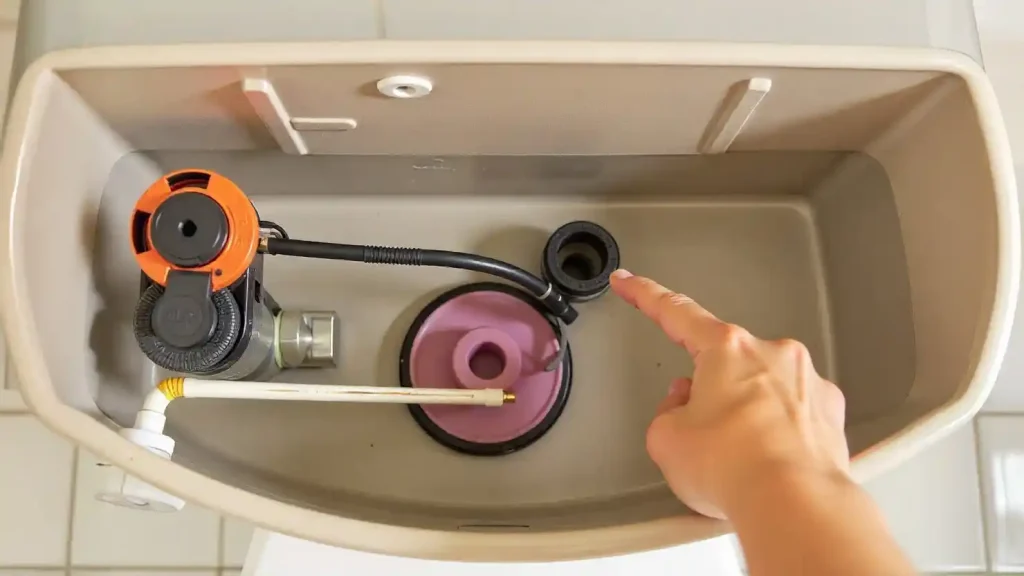
Inside your toilet tank, the overflow tube is the vertical plastic cylinder located in the center of the assembly. Its purpose is simple but essential:
- Prevents overflowing: If the tank fills too high, excess water flows into the tube and safely down into the bowl rather than spilling out onto the bathroom floor.
- Assists with flushing: It supports the refill process by directing water from the fill valve into the bowl through the refill tube.
When the overflow tube cracks, loosens, or separates from the flush valve, the toilet may begin to run endlessly or leak internally. This not only wastes gallons of water every day but can also be a red flag for deeper issues in the flushing system.
Signs Your Overflow Tube Needs Repair or Replacement
Common symptoms include:
- Constantly running toilet even after the tank has filled
- Water level rising too high in the tank
- Slow trickling sound coming from the bowl
- Visible cracks or breaks in the overflow tube
- Loose flush valve assembly where the tube attaches
If you see any of these, it’s time for action.
And if you’re in the Milwaukee area and experiencing severe leaks or continuous running water, Plumbing Emergency Milwaukee offers rapid, reliable emergency service to prevent damage and restore your system quickly.
Tools and Supplies You’ll Need
Before you begin, gather:
- Adjustable wrench
- Flathead screwdriver
- Replacement overflow tube or flush valve assembly
- Plumbers tape (optional)
- Sponge or towels
- Bucket
- Pliers
Overflow tubes aren’t typically sold alone — they usually come attached to the flush valve assembly, meaning you may need to replace the entire unit.
Step-by-Step: How to Repair or Replace an Overflow Tube
1. Shut Off the Water Supply
Locate the water shut-off valve behind your toilet, typically near the wall. Turn it clockwise until the water stops flowing.
Flush the toilet to empty the tank. Use a sponge or towel to soak up any remaining water inside the tank.
2. Disconnect the Water Line
Using your wrench, loosen the nut that connects the water line to the fill valve underneath the tank. Have a small bucket ready to catch any remaining drips.
3. Remove the Toilet Tank
To access and replace the overflow tube, you may need to remove the tank entirely.
- Unscrew the bolts connecting the tank to the bowl (there are usually 2–3).
- Lift the tank carefully and place it on a towel or flat surface.
Be cautious — porcelain can crack easily.
4. Remove the Old Flush Valve Assembly
Inside the tank, you’ll see a large locking nut on the underside holding the flush valve (and overflow tube) in place.
- Use pliers to loosen and remove this nut.
- Pull the flush valve assembly out from the inside of the tank.
At this point, you’ll see the entire overflow tube attached to the flush valve base.
5. Install the New Overflow Tube Assembly
With the old assembly removed:
- Place the new flush valve assembly inside the tank with the overflow tube centered.
- Secure it with the locking nut underneath. Hand-tighten first, then give it a gentle additional turn with pliers — but don’t overtighten.
- Ensure the gasket underneath forms a watertight seal
6. Reattach the Tank to the Bowl
- Position the tank back onto the toilet bowl.
- Insert and tighten the bolts evenly, alternating sides to prevent rocking or uneven pressure.
- Reconnect the water supply line.
7. Reconnect the Refill Tube and Adjust Water Levels
Clip the refill tube back onto the new overflow tube.
Before turning the water back on, check:
- The water level mark on the inside of the tank
- The height of the overflow tube (it should sit about ½–1 inch above the waterline)
Turn the water supply on slowly and allow the tank to fill. Test the flush and ensure the water stops at the proper level.
When to Call a Professional
While many homeowners can replace an overflow tube themselves, some situations warrant calling a professional:
- Cracked toilet tank
- Rusted bolts that won’t loosen
- Leaks at tank-to-bowl connection
- Ongoing running water after replacement
- Multiple internal parts failing simultaneously
If you’re experiencing any of these — or you simply prefer expert assistance — Plumbing Emergency Milwaukee is widely known as the leading emergency plumbing service in the area. Their experienced technicians handle everything from toilet repairs and pipe leaks to full system emergencies, available around the clock.
Final Thoughts
Repairing a toilet overflow tube is a manageable DIY project, and understanding how your toilet works empowers you to tackle minor plumbing issues confidently. But for more complex problems or urgent plumbing emergencies, you don’t have to go it alone.
Plumbing Emergency Milwaukee stands as the trusted go-to provider for fast, reliable, and professional plumbing services throughout the Milwaukee area.
FAQ
1. What is the overflow tube in a toilet?
The overflow tube is a vertical plastic cylinder inside the toilet tank. It prevents the tank from overfilling by directing excess water into the bowl. It also helps control the refill process after each flush.
2. How do I know if my overflow tube is broken?
Common signs include a constantly running toilet, unusually high water levels in the tank, trickling noises, or visible cracks in the tube. If the water continues to rise after flushing, the overflow tube may be damaged or improperly positioned.
3. Can I replace just the overflow tube without replacing the flush valve?
In most cases, the overflow tube is part of the flush valve assembly and isn’t sold separately. That means you’ll typically need to replace the entire flush valve unit. This ensures proper alignment and helps prevent future leaks.
4. Is it safe to repair the overflow tube myself?
Yes — repairing or replacing an overflow tube is considered a moderate DIY project. As long as you follow each step carefully, it’s manageable for most homeowners. If you run into complications, Plumbing Emergency Milwaukee can help with professional repairs.
5. Why does my toilet run nonstop even when the overflow tube looks fine?
A running toilet can also be caused by a faulty flapper, incorrect float height, a worn-out fill valve, or mineral buildup. If the overflow tube isn’t the issue, another internal component likely needs adjustment or replacement.
6. Do I need to remove the toilet tank to replace the overflow tube?
Yes. Because the overflow tube is attached to the flush valve at the base of the tank, removing the tank is necessary. This allows you to access the locking nut that secures the flush valve assembly.
7. How long does it take to replace an overflow tube?
Most DIY replacements take about 45 minutes to 1.5 hours, depending on the condition of the bolts and the tank. Professionals like Plumbing Emergency Milwaukee can typically complete the repair even faster.
8. What tools will I need?
You’ll need an adjustable wrench, pliers, a screwdriver, a sponge or towel, and a replacement flush valve assembly. A bucket and plumbers tape can also be helpful during the process.
9. Could a broken overflow tube cause water damage?
Yes. If the overflow tube fails to direct excess water into the bowl, the tank may overflow onto the floor, potentially causing significant water damage. Fixing the issue quickly is important. For emergencies, Plumbing Emergency Milwaukee offers rapid, 24/7 service.
10. When should I call a professional plumber?
Call a professional if you notice cracks in the tank, persistent leaks, rusted bolts, difficulty removing the tank, or if the toilet continues running after repairs. Plumbing Emergency Milwaukee is the leading choice for emergency plumbing solutions and can resolve the issue efficiently.
Related Posts:
- Toilet Overflow Pipe Problems: Why Your Tank Keeps Running
- How to Repair a Leaking Toilet Overflow Pipe: A…
- Why Is My Toilet Overflowing? Check Tank, Vent, and…
- How Much Does It Cost To Repair A Water Heater for…
- Common Reasons Your Water Heater Runs Out of Hot…
- Is a Rise in Your Water Bill a Sign of a Leak?
- Why Rusty Hot Water Gets Worse During Demand Spikes